How Often Should You Use a Professional Car Polishing Compound?
How Often Should You Use a Professional Car Polishing Compound?
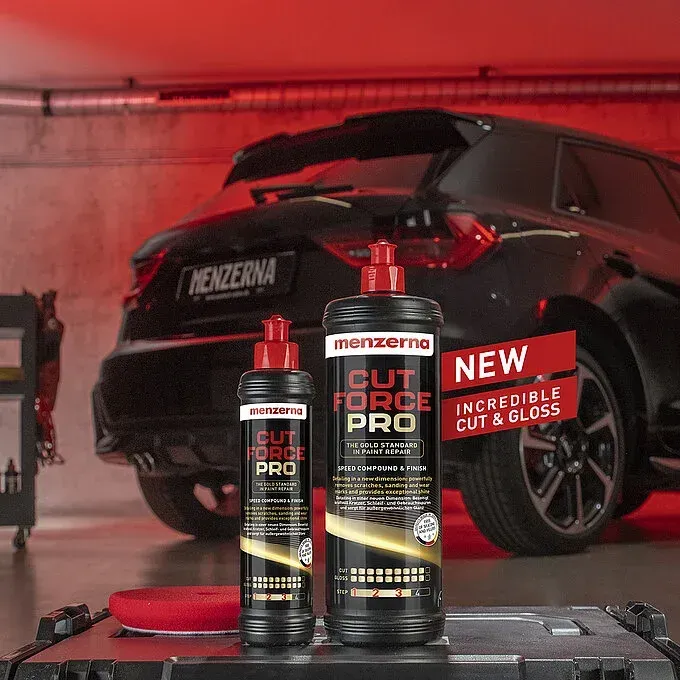
A shiny car looks amazing. It sparkles in the sunlight. Colours look bright and deep. The surface feels smooth like glass. Everyone notices a glossy finish. But cars do not stay shiny forever. Dust lands on the paint, rain leaves spots, tiny dirt particles rub against the surface. Washing can sometimes leave swirl marks. Slowly, the shine starts to fade. The paint may look dull or cloudy. Polishing helps fix this problem.
Using a Professional car polishing compound can bring paint back to life. It can remove small scratches and restore gloss. Polishing too often is not a good idea, polishing too little is not helpful either... So, how often should paint polishing happen?
What Does a Polishing Compound Do?
Polishing is not the same as washing. Washing removes dirt from the surface. Polishing changes the surface itself. A polishing compound gently removes a very thin layer of clear coat. This layer holds tiny scratches, swirl marks, and dull spots. When these imperfections are smoothed out, the paint starts to shine again.
Polishing can help remove:
- Light scratches
- Swirl marks
- Oxidation
- Marring
- Water spots
After polishing, the surface reflects light better. The car looks brighter and cleaner.
Why Not Polish All the Time?
Polishing sounds great. Shiny paint feels exciting, but polishing removes material.
Every car has a clear coat. This layer protects the paint and gives a glossy look. However, the clear coat is not endless. Polishing too often can slowly thin this layer leading to clearcoat failure early on.
If too much clear coat is removed, problems may appear. Paint may lose protection, fading may happen faster, and repair costs may increase. Because of this, polishing should happen only when needed. Using a Professional car polishing compound wisely keeps paint safe and beautiful.
How Often Should Most Cars Be Polished?
Most cars do not need constant polishing. For everyday vehicles, polishing once every few years is enough. This works well for cars driven daily.
For example:
- Frequent highway driving
- Harsh winters
- Gravel roads
- Improper washing
Cars kept inside garages may need less polishing. Cars exposed to strong sun or heavy dirt may need more attention.
Balance is the key.
What Affects Polishing Frequency?
Several things influence how often polishing is needed. Driving conditions matter - Cars on dusty roads collect more particles, and vehicles in harsh weather face more wear. Washing habits also play a big role. Gentle hand washing protects paint. Rough cleaning can cause scratches. Automatic brush washes always create swirl marks.
Storage makes a difference, too. Garage-kept vehicles often stay cleaner, outdoor vehicles face sun, rain, and dust constantly.
Paint protection products help as well. Wax, sealants, and ceramic coatings protect surfaces. Protected paint usually needs less correction. Using a Professional car polishing compound becomes less frequent with good care.
How Can You Tell If a Car Needs Polishing?
Paint often shows clear signs. Look closely in sunlight. Swirl marks may appear like tiny circles. Light scratches may catch reflections. The surface may look dull even after washing.
Sometimes paint feels rough when touched gently, this indicates clogged pours, and can be remedied with a clay bar treatment and decontamination wash, which is also part of polish prep.
Common signs include:
- Cloudy appearance
- Loss of gloss
- Light scratches
- Visible swirl marks
Not every flaw needs heavy compounding. Light polishing may sometimes work.
Professional inspections provide the safest answer.
Can Polishing Fix Every Scratch?
Polishing helps with small and medium flaws. Oxidation, tiny scratches and swirl marks can often be removed, deep scratches are different. If a scratch goes too deep, polishing alone may not remove it completely. Extra repair steps may be required, including wet sanding prior to polishing or respraying that panel.
Professionals check paint thickness before correction. Special tools measure clear coat depth. This helps prevent damage. Using a Professional car polishing compound properly protects the paint's safety.
Why Does Proper Washing Reduce Polishing Needs?
Washing may seem simple, but technique matters. Dirt particles act like sandpaper. Rubbing them across paint causes scratches. Proper washing uses clean water and soft materials, often relying on the “two-bucket method”.
- Safe washing habits include:
- Using microfiber cloths
- Rinsing surfaces before wiping
- Drying gently
- Avoiding dirty sponges
What Happens After Polishing?
Polishing makes paint look bright, clear, and smooth. The surface reflects light better, so the car shines beautifully. The results are permenant, but environmental factors quickly re-introduce scratches and swirls, diminishing the polished finish. It’s always recommended to protect your paint with a wax or sealant at the minimum, or a Ceramic Coating if you want to go the extra mile. Without a protective layer, dust, dirt, and water can affect the finish and the shine may start to fade sooner than expected.
Protective products help preserve the results. Wax adds a glossy shield. Sealants offer longer-lasting defense. Ceramic coatings provide strong, durable protection. These layers help block contaminants and reduce future damage. With proper protection, polished paint stays smoother, cleaner, and shinier for a much longer time.
How long does each form of protection last after polishing?
Waxes will typically last about 30 days, 60 days with good care and storage
Sealants will often last about 4 - 6 months, up to 9 months with good care and storage
Different Ceramic Coatings will boast a different lifespan. Our Flagship Ceramic Coating Product, Max G+, boasts a LIFETIME of durability and includes a LIFETIME WARRANTY. This means that if your protective coating fails in 15 years, you get a brand new coating at no cost. Other products in the lineup last 1 year, 3 years, 5 years, so on and so fourth.
Why Professional Polishing Is Often Safer?
Machine polishing may look simple, but it requires careful control. Every step matters. Pressure must stay consistent. Pad selection must match the paint condition. Compound strength must be chosen wisely. Small mistakes can lead to visible problems. Uneven finishes may appear. Swirl marks may worsen.
Holograms may form under light. Too much polishing can even thin the clear coat. Professionals understand how to avoid these risks. They inspect the paint before starting, they measure surface condition, they select the correct tools and products. Using a Professional car polishing compound with expert handling helps achieve smoother, safer, and more reliable results.
FAQ
How often should polishing be done?
Most cars need polishing once every few years if unprotected. Vehicles exposed to harsh conditions may benefit from polishing once per year. Frequent polishing beyond this is usually unnecessary and may reduce clear coat thickness.
Can polishing damage paint?
Yes, if done incorrectly or too often. Polishing removes a thin layer of clear coat. Controlled polishing performed occasionally is safe. Excessive polishing will weaken paint protection over time.
Is polishing the same as waxing?
No. Polishing corrects paint by removing small flaws. Waxing protects paint by adding a protective layer. Polishing improves the surface. Waxing helps preserve the finish after polishing.
How long do polishing results last?
Results depend on maintenance. Proper washing and protection help shine last longer. With good care, polished paint may stay glossy for a year or more before correction is needed again.
Can polishing remove all scratches?
Polishing removes small and medium scratches. Deep scratches may need additional repair work; A professional inspection helps determine whether polishing alone can correct the surface safely.
Ready for a Brilliant Finish?
Bring back the glow and protect your paint properly. Book a professional polishing service today. Contact Alberta Metal Polishing now and give your vehicle a finish worth showing off.
Alberta Metal Polishing Blog